A cannabis label can look like a wall of numbers. Once you know what each part means, it’s easy to read, and it’s the best way to avoid buying (or taking) more than you meant to.
The key numbers
Start with the product type, net weight, and the THC and CBD content. For flower and concentrates, potency is shown as a percentage. For edibles, it’s milligrams (mg) per piece and per package. A gummy marked “10 mg” has 10 mg of THC, and a ten-piece package marked “100 mg” holds that much in total. Flower often lists THCA separately from THC, so look for total THC, which combines them.
Percent vs. milligrams
A gram of flower at 20% THC holds roughly 200 mg of THC, but you won’t use a whole gram at once, so the percentage doesn’t tell you your dose. For edibles, the mg per piece is your dose, which makes them much easier to measure.
The trust details
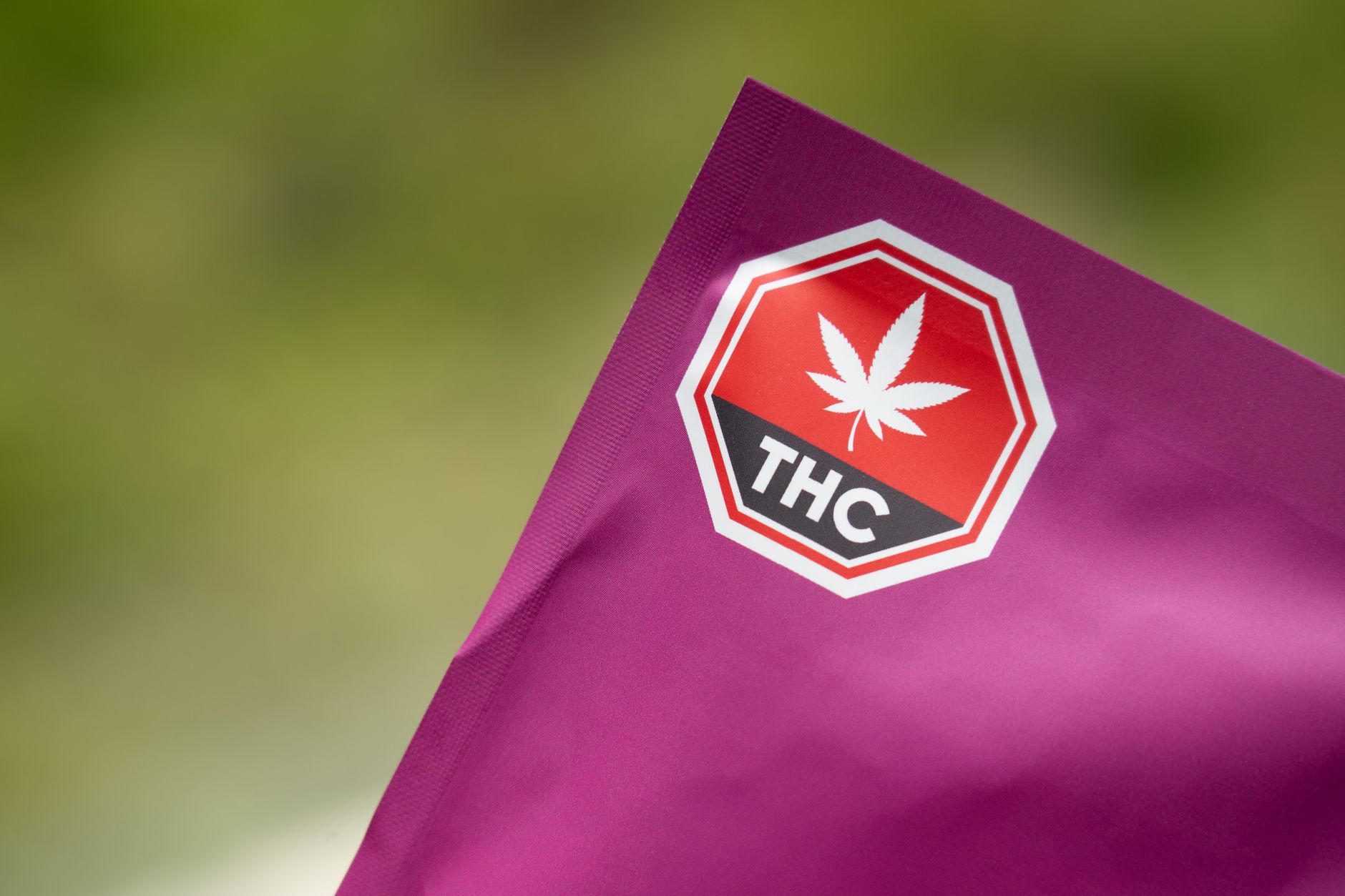
Look for a batch or lot number, a harvest or package date, an expiration date, and the producer’s license number. Many labels also include a QR code linking to a certificate of analysis, the lab report showing potency and contaminant testing. Many states also require a warning and a universal THC symbol on the package.
Two tips
Higher THC isn’t automatically better. Terpenes and your own tolerance matter too. And if you’re new, choose lower-dose products and go slowly. Labeling rules vary by state, so your package may look a little different.
Want to see this in action? What Does 1g Mean on a Vape Cartridge? walks through a real example.