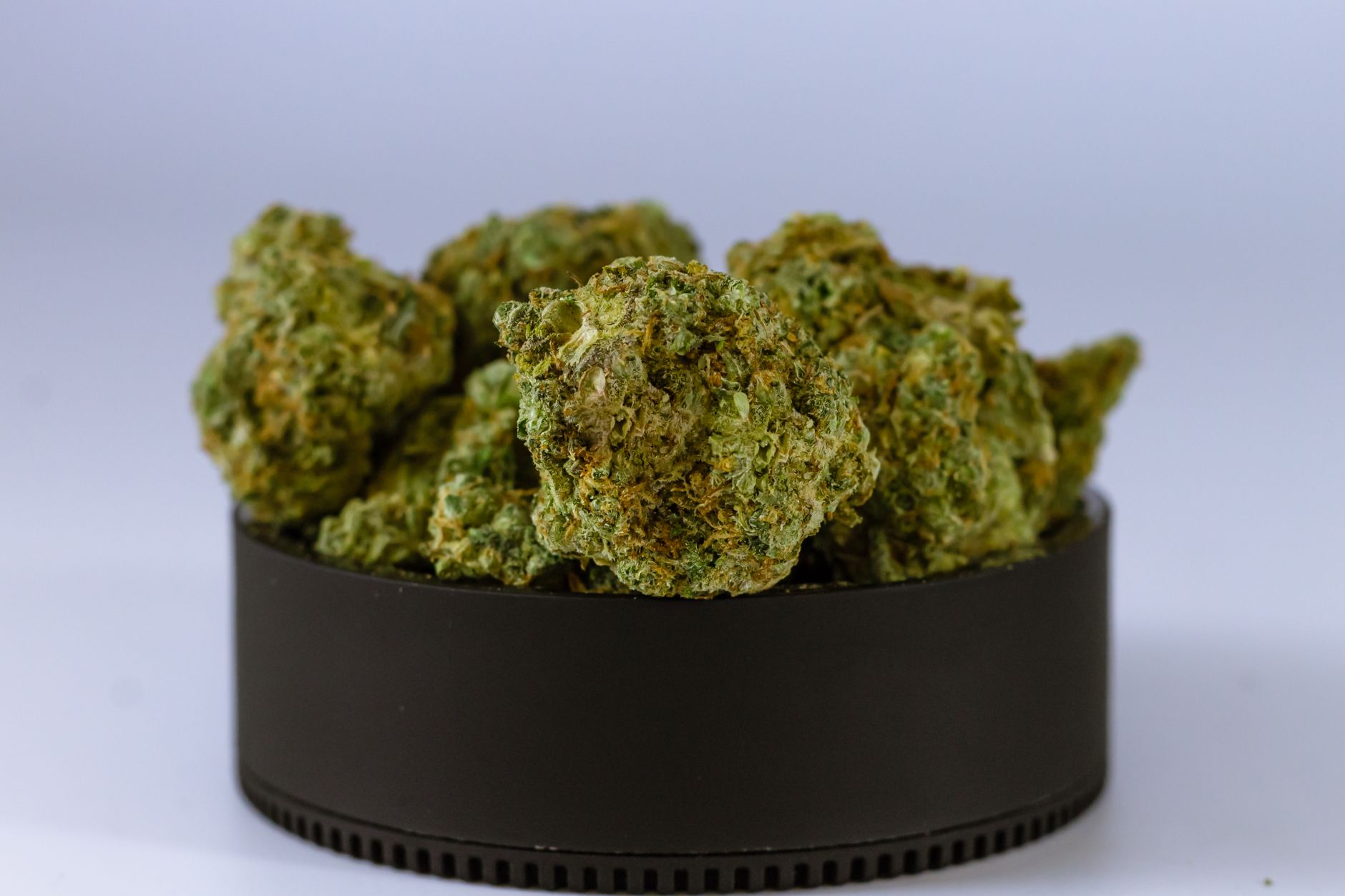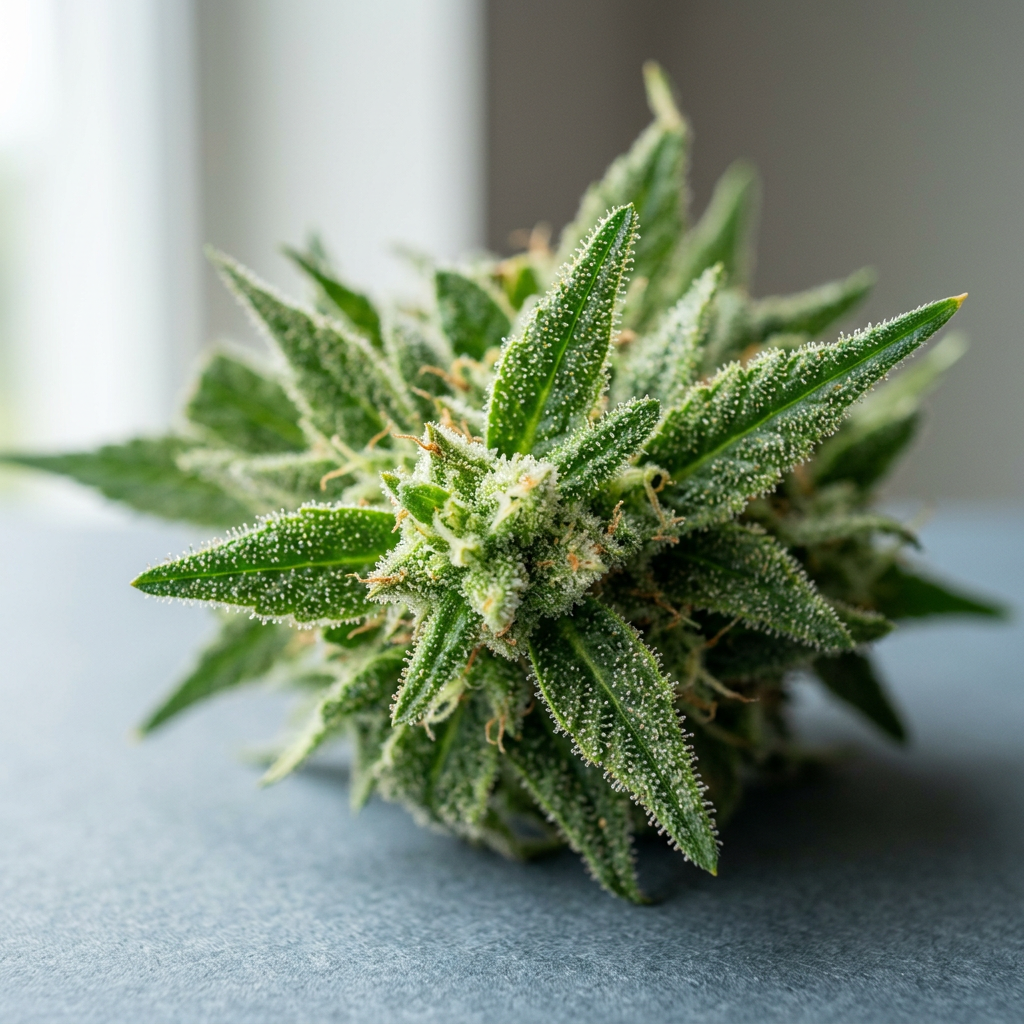
THCA is the raw, non-intoxicating form that cannabis plants make naturally. THC is what THCA becomes when it’s heated, and THC is what causes the high.
Key takeaways
Heat turns THCA into THC.
Smoking, vaping and baking all do it.
Total THC = THC + (THCA × 0.877).
The 0.877 accounts for weight lost in conversion.
New hemp rules count THCA.
The federal limit is based on total THC.
| THCA | THC | |
|---|---|---|
| Found in | Fresh, unheated cannabis | Heated cannabis, edibles |
| Causes a high? | No, not on its own | Yes |
| On labels | Listed separately on flower | Included in total THC |
Why heat matters
Smoking, vaping, dabbing, or baking triggers decarboxylation, a reaction that removes a small piece of the THCA molecule and turns it into THC. Gummies and other edibles use THC that’s already been activated.
Reading total THC
The 0.877 accounts for the weight lost during conversion. Example: flower with 25% THCA and almost no THC has about 22% total THC. Buying oil? See what 1g means on a vape cart.
Where the law stands
THCA hemp flower has been sold outside dispensaries because it tests low in THC before heating. That loophole is closing: the new federal hemp definition counts total THC, with changes set for December 11, 2026. In Ohio, intoxicating hemp is already limited to licensed dispensaries.
Sources: USDA Hemp Program; Nutritional Outlook. This is general information, not legal advice. Last reviewed October 2026.
Quick FAQ
What’s the difference between THC and THCA?
THCA is the raw, acidic form found in fresh cannabis. Heat turns it into THC, the compound that causes a high.
Does THCA get you high?
Not in its raw form. It converts to THC when heated by smoking, vaping, or baking.
How do you calculate total THC?
Total THC = THC + (THCA × 0.877). The 0.877 accounts for weight lost during conversion.