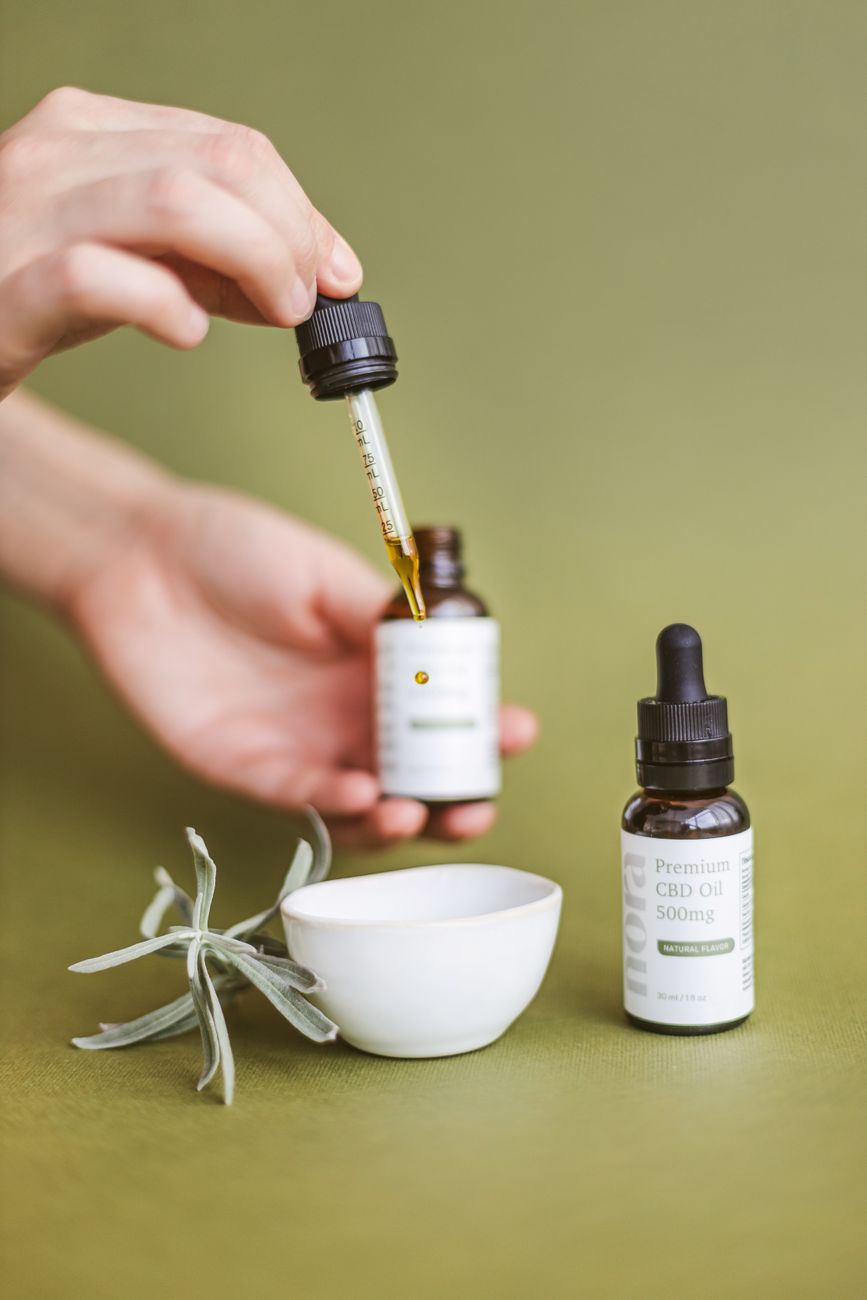
THC and CBD are the two best-known cannabinoids in cannabis. They come from the same plant and have a similar chemical makeup, but they affect you very differently.
THC: the one that gets you high
THC is the main intoxicating compound. It can bring relaxation, euphoria, altered perception, and sometimes a bigger appetite. At higher doses it can also cause anxiety, dry mouth, red eyes, a faster heartbeat, and trouble with coordination and memory. Note that raw cannabis contains mostly THCA, which turns into THC when heated.
CBD: no high
CBD on it’s own doesn’t cause a high. People use it on its own for a calmer, clear-headed option, and it can cause side effects such as drowsiness or an upset stomach. It can also interact with some medications, so talk to a doctor or pharmacist first if you take any. Only one CBD medicine, Epidiolex, is FDA-approved, for certain seizure conditions. Many other CBD claims are still being studied.
Do they work together?
Some people feel that CBD softens the edge of THC, but the research is mixed. What’s clear is that the ratio changes the experience, which is why products are often labeled by it.
Reading the ratio
A 1:1 product has equal amounts of each. A 20:1 CBD to THC product is almost all CBD, and a THC-dominant product has little to no CBD. If you’re new and want a gentler start, a balanced or CBD-leaning product at a low dose is a common choice. Rules for hemp-derived CBD and THC products differ by state, so check where you live.
Next in Cannabis 101: Indica vs. Sativa vs. Hybrid.